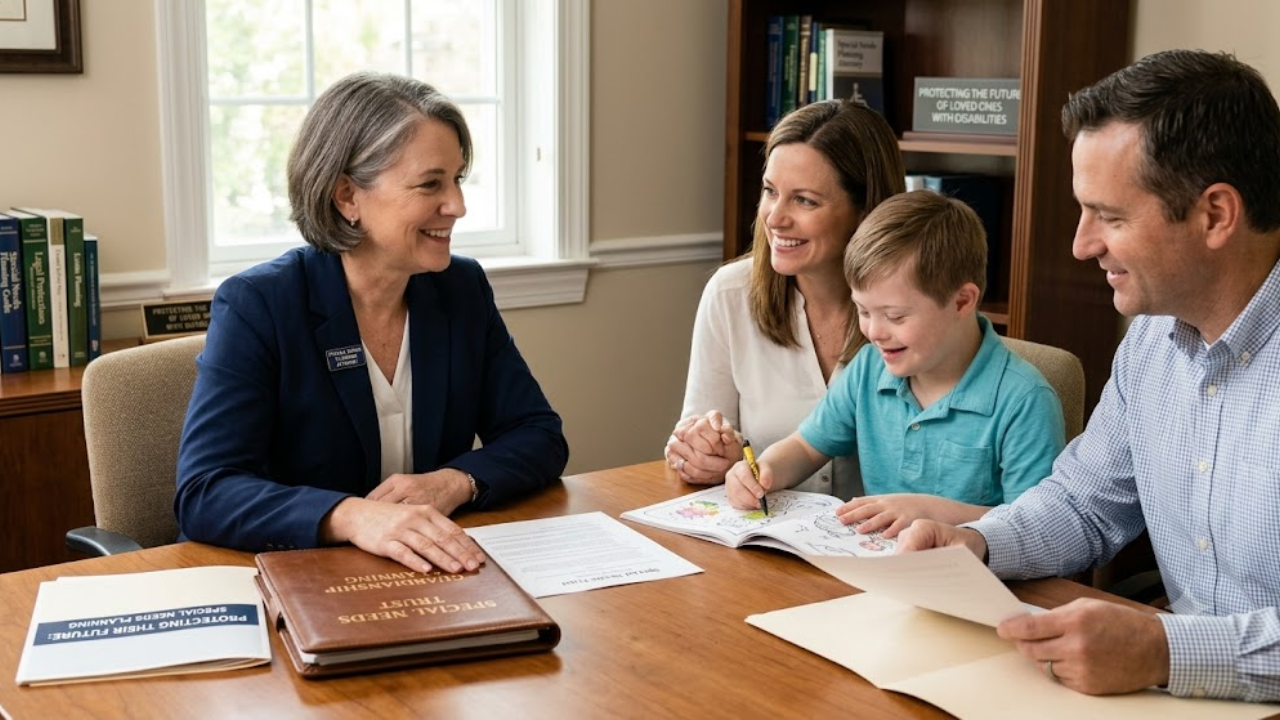

There’s a moment that happens in almost every family, sooner or later. A parent gets a scary diagnosis. A sibling passes away without a will. Someone’s second marriage complicates who gets what. And suddenly, everyone is asking the same question: did anyone actually plan for this?
Most people assume estate planning is something you’ll “get to eventually.” Something for the wealthy, the elderly, or the terminally organized. But the truth is a lot simpler and a lot more urgent than that. If you own a home, have kids, care about someone with special needs, or simply don’t want your family arguing in a courtroom while they’re grieving, you already need a plan. You just haven’t made one yet.
This is where a comprehensive estate planning attorney earns their keep. Not by handing you a stack of templates, but by sitting down with you, understanding your actual life, and building something that holds up when it matters most.
Why “Comprehensive” Actually Matters
A lot of people think estate planning starts and ends with a will. Write it, sign it, forget it. But a will alone rarely covers everything a family needs, and it definitely doesn’t prevent probate, which is the slow, public, and often expensive court process your loved ones go through after you pass.
A truly comprehensive plan looks at the whole picture. It considers your estate planning goals alongside what happens if you become incapacitated before you ever pass away, who’s authorized to make medical or financial decisions on your behalf, and how your assets actually transfer without forcing your family into a courtroom. It’s the difference between leaving instructions and leaving a system that works on its own.
Think about Margaret’s grandmother, who quietly slipped envelopes of cash under the Christmas tree every year instead of leaving a lump sum in her will. It felt sentimental at the time, but it turned out to be a deliberate, tax-smart way of passing down wealth gradually. That’s not something you stumble into. That’s the kind of foresight a real plan makes possible, and it’s the same instinct behind a well-built approach to protecting your legacy over time.
The Pieces People Forget
Ask most people what estate planning includes and they’ll say “a will.” Maybe a trust if they’ve done some reading. But a genuinely thorough plan usually includes several more moving parts, and skipping even one of them can unravel everything else.
There’s incapacity planning, which decides who steps in if you can’t speak for yourself due to illness or injury. There’s guardianship for minor children, which nobody likes thinking about but which prevents a judge from deciding it for you. And for families with a loved one who has a disability, there’s a very specific kind of planning that protects government benefits while still providing financial support. Karen learned this firsthand while advocating for her son Tommy for thirty years, until a properly structured plan finally gave her peace of mind that his benefits wouldn’t be jeopardized after she was gone.
If you’re a business owner, there’s also the question of what happens to the company itself. Who runs it, who inherits it, and whether it survives the transition at all. That’s a conversation that deserves its own dedicated strategy, not an afterthought tacked onto a personal will.
Trusts: Not Just for the Wealthy
There’s a persistent myth that trusts are only for people with sprawling estates and yachts. In reality, trusts are one of the most practical tools available to ordinary families, and for a lot of good reasons.
A trust can keep assets out of probate entirely, meaning your family avoids months (sometimes years) of court delays and legal fees. It can also protect assets from being mismanaged, whether that’s a young beneficiary who isn’t ready for a lump sum or a family member going through a difficult divorce. Frank and Diane discovered this when a properly structured trust ended up being the one thing that kept their family from fracturing over disagreements after they were gone. It wasn’t about hiding money. It was about removing ambiguity before it could turn into resentment.
If you’re weighing whether a trust makes sense for your situation, it’s worth having a real conversation about it rather than guessing based on what you’ve read online. Every family’s situation is different, and the right structure depends on your assets, your relationships, and what you’re actually trying to prevent.
What Happens Without a Plan (Probate, In Plain English)
Here’s what a lot of people don’t realize until they’re living through it: dying without a plan doesn’t mean your assets just disappear or get seized by the state. It means a court decides what happens to them, on the court’s timeline, using the court’s process. That process is called probate, and it can be slow, costly, and emotionally exhausting for a family that’s already grieving.
Even with a will, probate is often still required. What a solid estate plan does is minimize or entirely avoid that process, so your family isn’t waiting on a judge’s calendar to access funds, sell a house, or settle debts. And if you’re currently the one navigating a loved one’s passing without a plan already in place, there is a structured way through it. A knowledgeable guide through probate and estate administration can make an overwhelming process feel manageable, and can often move things along faster than families expect.
Keeping a Plan Alive, Not Just Written
One of the biggest mistakes people make isn’t failing to create a plan. It’s creating one and never touching it again. Life changes. You buy a new home, welcome a grandchild, go through a divorce, move to a new state, or your named executor is no longer the right person for the job. If your documents don’t reflect that, they can create more confusion than if you’d never written them at all.
This is why ongoing plan maintenance matters just as much as the initial paperwork. A plan should evolve with your life, not sit in a drawer collecting dust for twenty years. Periodic reviews catch outdated beneficiary designations, shifting tax laws, and family changes before they become expensive surprises for the people you love.
Choosing the Right Attorney for This
Estate planning isn’t a one-size-fits-all legal service, and it shouldn’t feel like filling out a form at the DMV. The right attorney takes time to understand your family, asks questions you didn’t think to ask, and explains your options in language you can actually follow, not legal jargon designed to keep you dependent on them.
Several families have described exactly this kind of experience, being walked through complicated decisions patiently, having every question answered in detail, and feeling genuinely cared for rather than processed. That’s not an accident. It comes from a firm that treats estate planning as a relationship, not a transaction. If you’re the kind of person who wants a real answer to “what if,” rather than a generic template, that distinction matters more than people expect until they’re in the middle of a crisis.
Special Circumstances Deserve Special Plans
Blended families, business owners, families with a member who has special needs, real estate in multiple states. These situations don’t fit neatly into a standard will-and-done approach, and treating them like they do is often how families end up in disputes later.
If your situation has any layer of complexity, it’s worth exploring specialized planning options built specifically around those circumstances, rather than trying to force your life into a generic template. A plan that accounts for the nuances of your actual family tends to hold up far better than one that assumes everyone’s situation looks the same.
Starting the Conversation
If you’ve read this far, chances are something in here felt a little too familiar. Maybe it’s an aging parent without a will. Maybe it’s a sibling with a disability who depends on benefits you’re worried about protecting. Maybe it’s just the nagging feeling that you’ve been meaning to “get around to it” for longer than you’d like to admit.
The good news is that starting doesn’t require having all the answers. It just requires a conversation with someone who knows the right questions to ask. Families who’ve gone through this process consistently describe it as far less intimidating than they expected, once they actually sat down and talked it through with someone who took the time to listen.
There’s no perfect moment to start estate planning. There’s just the moment you decide your family is worth the certainty. If you’ve been putting it off, consider this the nudge to stop waiting for a scare to force your hand, and instead take the step on your own terms, while you still have the luxury of time to do it right.