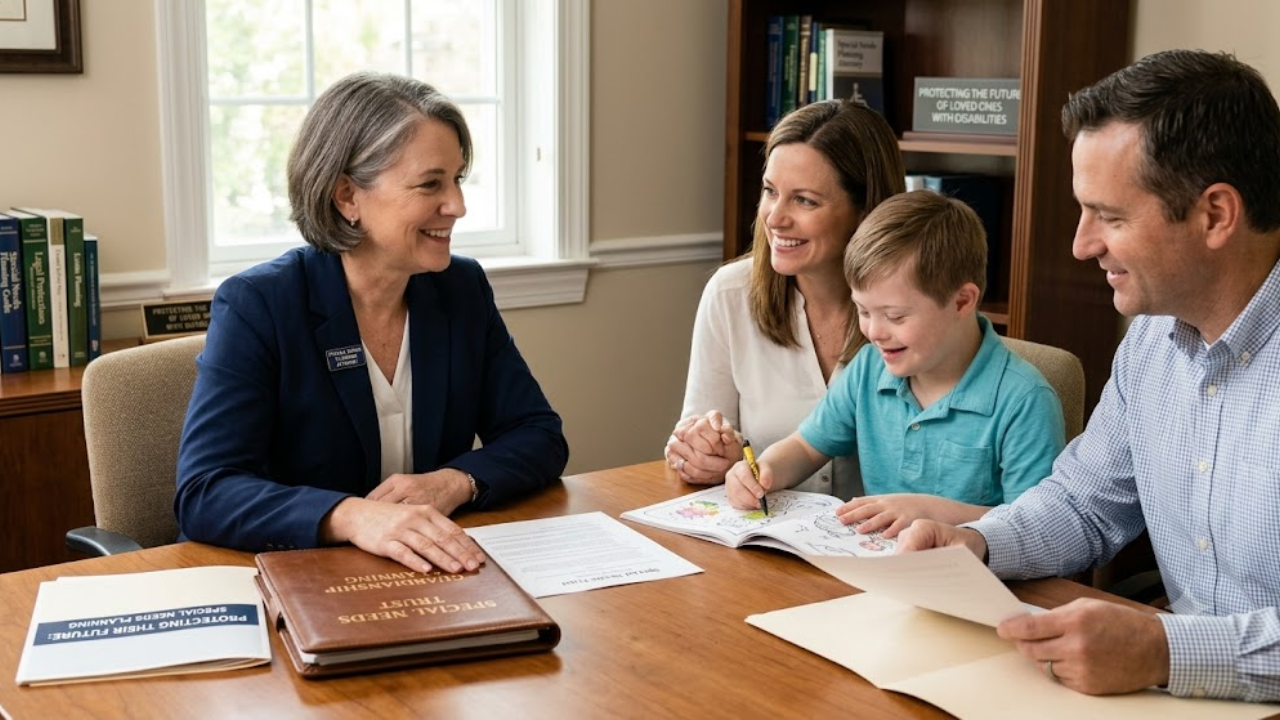
If you care for your child or family member with a disability, you probably think about the future more than most people. Who will step in when you can no longer help? How will bills get paid? What happens to health care and daily support? These questions can keep any parent awake at night.
The good news is that you can prepare. A special needs planning attorney helps families build a legal plan that protects both the money you leave behind and the government benefits your loved one depends on. For families in San Antonio and across Texas, that plan can bring real peace of mind. You can also learn more about specialized planning for unique family situations and how a plan can be shaped around your needs.
Why a Simple Will Is Not Enough
Many parents assume a basic will is all they need. They leave everything to their children equally, including the child with a disability. It feels loving and fair. Unfortunately, it can cause real harm.
Programs like Supplemental Security Income (SSI) and Medicaid set strict limits on how much a person can own. If your loved one receives an inheritance, even a modest one, they could lose benefits until the money is spent down. Those benefits often pay for health care, housing help, and daily support that is hard to replace.
A special needs planning attorney understands these rules and knows how to structure your estate so a gift helps instead of hurts. Rather than leaving money outright, you can direct it into a protected arrangement that improves your loved one’s life without risking eligibility.
The Special Needs Trust: The Heart of the Plan
The most common tool is the special needs trust, sometimes called a supplemental needs trust. A trust is a legal arrangement in which a trustee, someone you choose, manages money for another person’s benefit. Because your loved one does not own the funds directly, the money is generally not counted against benefit limits.
The trust can pay for extras that public benefits do not cover, such as:
- Therapy and medical costs
- Education and job training
- Transportation or a vehicle
- Computers, furniture, and hobbies
- Travel and family visits
- Extra caregiver or advocate support
There are two main types. A third-party special needs trust is funded by parents, grandparents, or others, and it can be written into a will or living trust. A first-party trust is funded with the disabled person’s own money, such as a settlement. First-party trusts come with extra rules, including a requirement to repay Medicaid after the person passes away.
An attorney can explain which type fits your family and draft it to meet both federal and Texas requirements. For families with larger or more complex estates, advanced estate planning strategies can help protect your assets and family legacy while keeping your loved one’s benefits safe.
Choosing the Right Trustee
Selecting a trustee is one of the biggest decisions in your plan. This person must manage money carefully, understand benefit rules, and always put your loved one first. Many families choose a trusted relative. Others prefer a professional trustee, or a team where a family member gives input and a professional handles the paperwork.
Your attorney can help you weigh these options and name backups in case your first choice cannot serve. They can also help you prepare a letter of intent, a plain-language guide that tells future caregivers about your loved one’s routines, medications, doctors, likes, dislikes, and dreams. It is not a legal document, but it may be the most valuable thing you leave behind.
Guardianship and Decision-Making After Age 18
When a child with a disability turns 18, Texas law treats them as an adult. Parents no longer have automatic authority over medical, financial, or legal choices. This surprises many families.
Some adults do need a guardianship, where a court appoints someone to make decisions for them. But guardianship takes away personal rights, so Texas encourages less restrictive options when they will work. These include a medical power of attorney, a durable power of attorney, a HIPAA release, and a supported decision-making agreement, which lets a person get help from trusted people while still making their own choices.
A special needs planning attorney can look at your loved one’s abilities and recommend the right level of support. Planning for your own incapacity matters too. If you become ill or injured, the right documents keep your loved one’s care from falling apart.
Other Tools That Work Alongside a Trust
An ABLE account is a special savings account for people whose disability began before a certain age. Money in it can be used for housing, education, health, and other qualifying expenses without affecting most benefits. It works well for everyday spending, while the trust handles larger, long-term needs.
Life insurance can also fund a trust so enough money is there when your family needs it. Just be careful with beneficiary forms. Life insurance, retirement accounts, and bank accounts often pass by beneficiary designation, not by your will. If your loved one is named directly, benefits could be at risk. This is why your own retirement and estate planning matters so much. An attorney can review these forms and make sure everything lines up.
Common Mistakes Families Make
Even caring families can run into trouble. Here are some mistakes attorneys see often:
- Naming the person with a disability directly as a beneficiary
- Leaving money outright in a will
- Relying on a verbal promise that a sibling will “take care of things”
- Forgetting to update the plan after a move, a marriage, or a change in the law
- Waiting until a health crisis to start planning
Balancing Fairness Within the Family
Parents often worry about being fair to every child. A good plan can address this. You might leave a larger share to the special needs trust while giving other children their own inheritance. You can also ask siblings to serve as trustee or advisor, but you do not have to. Many siblings love their brother or sister deeply yet feel overwhelmed by the idea of managing benefits and money alone. Your attorney can help you build a plan that supports everyone, so no one is left carrying a burden they did not choose.
If you own a family business, the questions get bigger. Who will run it? Who will own it? How will your loved one benefit without putting their eligibility at risk? A thoughtful business succession plan can answer these questions ahead of time. Your attorney can help you build a plan that supports everyone, so no one is left carrying a burden they did not choose.
Why Start Now
Special needs planning is not a one-time task. Benefit rules change, families grow, and needs shift over the years. Starting early gives you time to make careful choices, name the right people, and fund the plan properly. It also means that if the unexpected happens, your loved one is already protected.
Many families feel stuck because the topic feels heavy. Talking about your own death or illness is hard. But a written plan is one of the kindest things you can do. It turns worry into a clear set of instructions that others can follow with confidence.
How an Estate Planning and Probate Firm Can Help
Special needs planning touches many areas of the law, including wills, trusts, incapacity planning, and probate. A firm that handles all of these can make sure the pieces work together. At Skeen Law Firm, we serve individuals and families in San Antonio, Texas with personalized legal guidance, and we take the time to understand your family’s story before recommending any documents.
If you are ready to protect your loved one’s future, schedule a consultation. Bring questions, current benefit information, and a list of your assets. Together, we can build a plan that gives you confidence today and security for your loved one tomorrow.
Frequently Asked Questions
- What is a special needs trust, and who needs one?
It is a trust that holds money for a person with a disability without ruining their eligibility for benefits like SSI and Medicaid. Any family that plans to leave money or property to a loved one who receives, or may need, public benefits should consider one. - Will an inheritance stop my child’s SSI or Medicaid?
It can. If the money goes straight to your child, it may count as their own, which can pause or end their benefits. Placing it in a special needs trust is the usual way to avoid that problem. - What is the difference between a first-party and a third-party trust?
A third-party trust holds money that comes from someone else, like a parent or grandparent. A first-party trust holds the disabled person’s own money, such as a lawsuit settlement. First-party trusts have a payback rule for Medicaid, while third-party trusts do not. - Can the trust pay for food and housing?
Since September 30, 2024, the Social Security Administration no longer counts food paid for by a trust as income, which gives trustees more freedom. Housing costs can still affect benefits in some cases, so check with your attorney before making those payments. - I heard ABLE account rules changed this year. What is new?
Beginning in 2026, the age by which a disability must begin to qualify for an ABLE account rises from 26 to 46. That means many more adults can now open one. An ABLE account and a special needs trust often work best together.