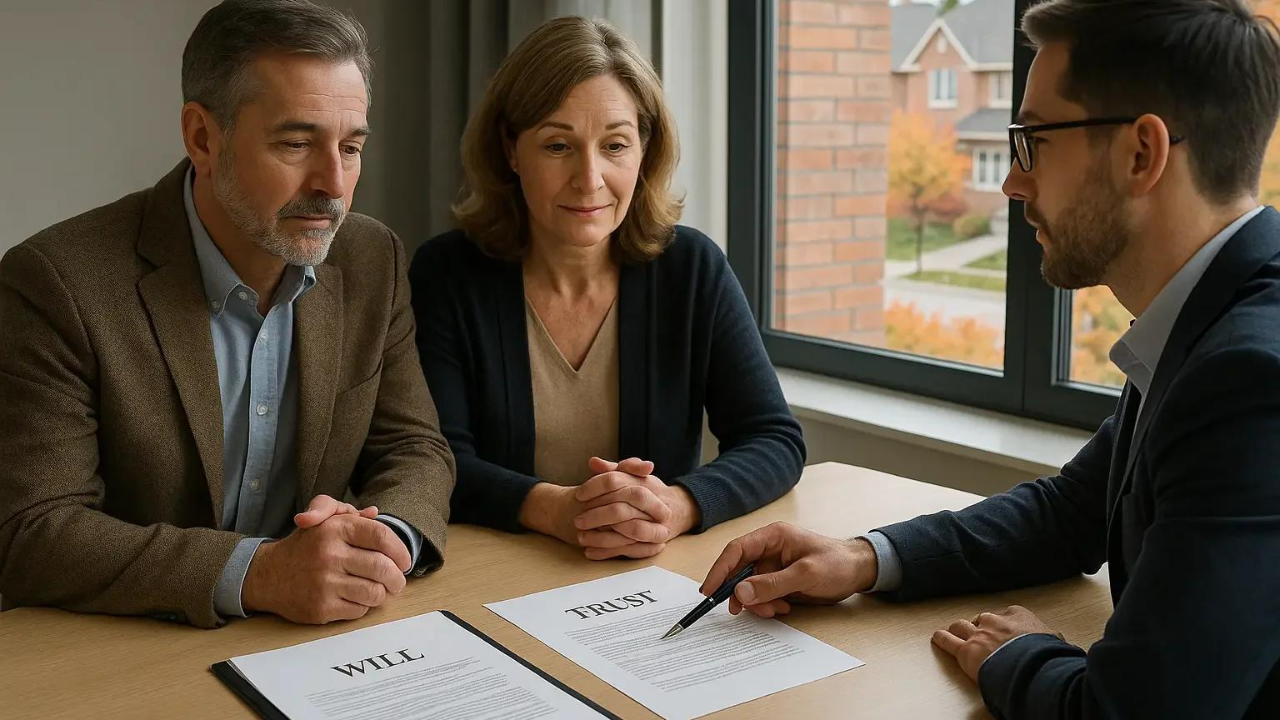

You’ve worked hard your whole life. You saved, raised a family, maybe built a business, and now retirement is here or right around the corner. This is the time to enjoy it. But before you can really relax, there’s one job left to finish: making sure everything you’ve built is protected with a solid estate plan.
A lot of people think estate planning just means writing a will. It doesn’t. A real plan covers your money, your home, your medical wishes, and what happens if you ever can’t speak for yourself. Let’s walk through what that actually looks like.
Your Old Plan Might Not Fit Anymore
If you wrote a will years ago, back when your kids were small or you’d just started your career, it’s probably out of date. Life looks different now. Maybe your house is paid off. Maybe you’ve got a 401(k), an IRA, Social Security, or a rental property you didn’t have back then. Your family may have changed too. Kids grew up. Grandkids came along. Maybe you got married again, or lost a spouse.
None of that is a problem, as long as your plan keeps up with it. But if your will hasn’t been touched in ten or fifteen years, there’s a good chance it no longer says what you actually want.
The Documents Every Retiree Should Have
A solid estate plan usually comes down to a handful of documents. Here’s what each one does.
A will or a living trust: This is the backbone of your plan. A will tells the court how to hand out your things after you’re gone. A living trust does something similar, but it usually skips the court process altogether, which saves your family time, money, and stress. Most retirees in Texas find a trust makes things a lot smoother for the people they leave behind.
Power of attorney: This lets someone you trust step in and handle your money or your medical care if you can’t. Without it, your family might have to go to court just to pay your bills or talk to your doctor on your behalf. Nobody wants that added on top of an already hard time.
A healthcare directive: Sometimes called a living will. It spells out what kind of medical care you do and don’t want if you can’t say so yourself. This one small document can save your family from having to guess, or argue, during an already painful moment.
Beneficiary forms: Your retirement accounts, life insurance, and some bank accounts don’t actually follow your will. They go to whoever is listed as the beneficiary on the account, period. It’s worth checking these every few years, because an old form can undo everything else in your plan without you even realizing it.
Protecting What You Worked So Hard to Build
Protecting your assets isn’t only about deciding who gets what. It also means thinking ahead about things like long-term care. Nursing homes and in-home care add up fast, and without a plan, that cost can eat through savings you spent decades building.
It also means looking at how your accounts and property are titled, and whether a trust could keep some of your assets out of probate. Small details like this can make a big difference for your family later on.
This is also where planning for incapacity comes in, and people tend to forget about it. Estate planning isn’t only about what happens after you pass away. It’s also about what happens if you’re still alive but unable to make decisions, say, after a stroke or a diagnosis like dementia. Would your family know what to do? Would they even have the legal right to help you? A good plan answers that ahead of time, so nobody’s left scrambling.
Your Legacy Is More Than Money
What you leave behind isn’t just numbers in a bank account. It’s the values you want passed down, the memories, maybe a family home or business you want kept in the family the right way. Some people like to include a letter for their kids or grandkids, explaining the “why” behind their decisions. It’s a small thing that can mean a lot.
If you have a blended family, or a child or grandchild with special needs, working with a special needs planning attorney matters even more. A cookie-cutter template rarely fits a real family. Your plan should look like your life, not someone else’s.
Why It Helps to Work with Someone Local
Estate planning rules aren’t the same everywhere. Texas has its own laws around probate, community property, and trusts, and those laws matter a lot when it comes time to put your plan into action. Working with someone who knows San Antonio and the surrounding Hill Country means your plan is actually built for where you live, not copied from a generic template.
At Skeen Law, this is what we do every day. We sit down with you, learn about your family and your goals, and explain your options in plain English, not legal jargon. Then we build a plan around what actually matters to you.
Conclusion
Retirement is the reward for decades of hard work, and the last thing you want is to spend it worrying about “what if.” A good estate plan takes that worry off your shoulders. It makes sure your home, savings, and wishes are handled the way you want, and it saves your family from confusion and unnecessary trips to court during an already hard time.
None of this has to be complicated. A will or trust, a power of attorney, a healthcare directive, and up-to-date beneficiary forms cover most of what you need. Add a little thought toward long-term care and incapacity planning, and you’ve got a plan that protects both you and the people you love, now and later. You don’t have to figure it out alone, and you don’t have to get it perfect on the first try. What matters is starting, and keeping the plan updated as life changes.If your plan needs an update, or you’ve never made one at all, now’s a good time to start.
Frequently Asked Questions
Does having a will mean my family can skip probate in Texas?
No. A will still has to go through probate before your executor can distribute assets. To actually avoid probate, you’d need tools like a living trust, transfer-on-death deeds, or updated beneficiary forms.
Do I need an estate plan if I don’t consider myself wealthy?
Yes. If you own a home, have savings, or have retirement accounts, a plan protects your family from confusion and unnecessary court costs, no matter the size of your estate.
What happens if I pass away without a will in Texas?
The state decides who inherits, based on intestacy laws, not your personal wishes. This often leads to outcomes families didn’t expect, and it usually takes longer and costs more.
Is a living trust better than a will for retirees?
It depends, but many retirees prefer a trust because it can help avoid probate and keeps things private. A will is still useful alongside it to cover anything left out.
How often should I update my estate plan?
Every three to five years, or right after a major life change like a move, marriage, divorce, or new grandchild.