
Ask most people what they want for their family and you will hear the same few answers. They want the house to stay in the family. They want their savings to go where they meant them to go. They want their kids to avoid a fight over who gets what. Still, a lot of people never sit down to make it happen. Some figure they are too young. Others think a basic will covers everything. A trust can do a lot more than a will, and it can start working for you long before anything goes wrong.
At Skeen Law Firm, we handle estate planning and probate for families here in San Antonio, so we see the difference a good plan makes. When the paperwork is in order, the hard weeks after a death or illness are still hard, but they are a lot less chaotic. Our team can help you with asset protection planning, and the strategies below are a good place to start. Your situation is your own, so use this as a starting point for a conversation with an attorney rather than a set of instructions to follow on your own.
1. Start with a Revocable Living Trust
A revocable living trust lets you stay in charge of your property while you are alive. You can change it, add to it, or shut it down if your life changes. When you die, the assets sitting in the trust can usually pass to your beneficiaries without going through probate. Probate often means months of waiting and a stack of court filings. Skipping it saves your family time and money, and it keeps your business out of the public record.
2. Pick a Successor Trustee Carefully
The person you name to run your trust is just as important as the document. This person pays the bills, files the taxes, talks with the beneficiaries, and hands out assets the way you asked. You want someone who is organized and honest, and who will actually take the job seriously. Many people choose an adult child, a sibling, or a close friend. Others hire a professional or use a bank’s trust department. Name a backup, too. Your first choice may move away, get sick, or simply say no when the time comes.
3. Get Ready for the Years You Cannot Decide
People tend to think about what happens after they die and skip over the stretch where they might be alive but unable to manage their affairs. A durable power of attorney lets someone you trust handle your finances if you cannot. A medical power of attorney lets a person you choose make health decisions and talk to your doctors. If you have neither, your family may have to ask a judge to appoint a guardian. That process is slow, public, and expensive. Signing these documents while you are healthy is far easier on everyone.
4. Check Your Beneficiary Forms
Retirement accounts, life insurance policies, and some bank accounts go to whoever is named on the form. Your will and your trust do not control them. That means an old form can quietly undo your whole plan. A divorce, a remarriage, a new grandchild, or a death in the family are all good reasons to pull those forms out and read them again. Make a habit of checking every few years.
5. Protect Young or Struggling Heirs
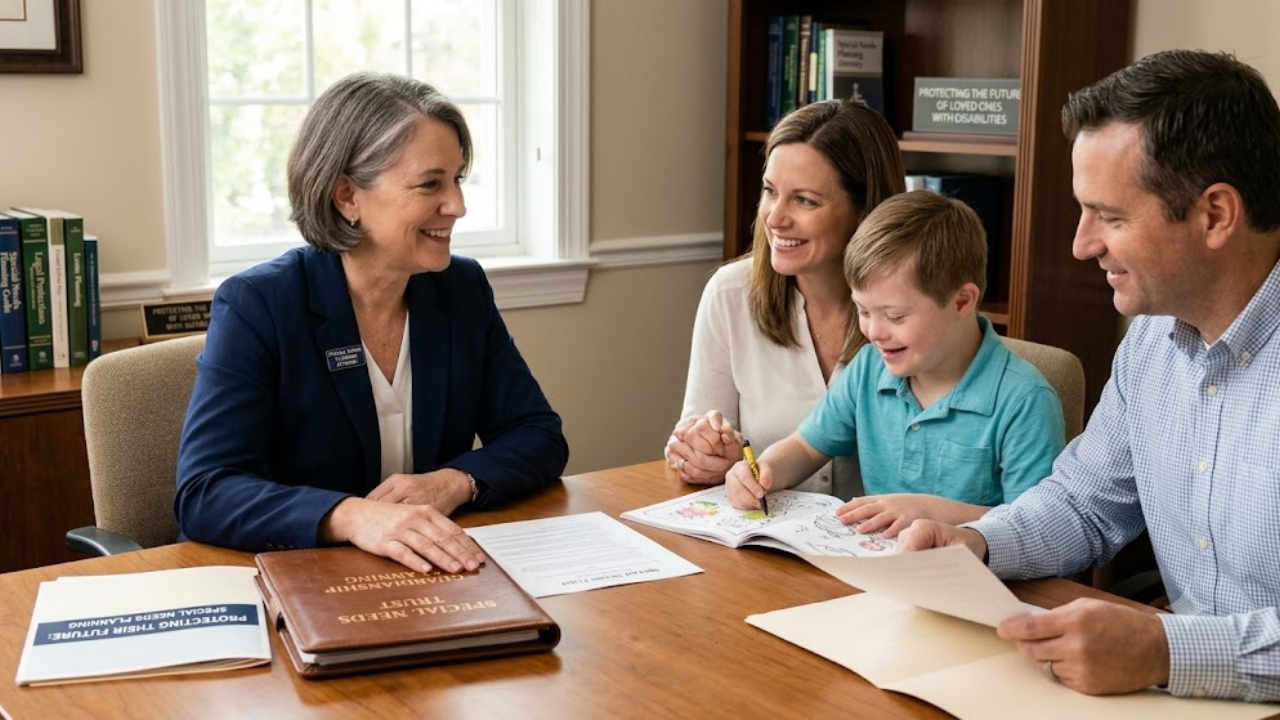
Handing a large sum to a young adult all at once can go badly. Some people are not ready to manage money at 21. Others could lose it to a lawsuit or a divorce. A trust gives you a way around that. You can set the age or milestone when your child gets the money, or let the trustee pay for school, rent, or medical bills as needed. The same idea works well for a family member with a disability or one who is dealing with addiction. Our team explains how this works in our guide on how a special needs planning attorney can protect your loved one’s future, and you can learn more about our specialized planning services. Write your wishes in plain language so the trustee knows what you had in mind. Then the rules are yours, not a court’s.
6. Think Through What Happens to the House
For a lot of families, the house is the biggest thing they own. Putting your home into a trust can help it pass without probate. Texas has its own rules about homestead property, and those rules shape how a home can change hands and who has a claim to it. A deed that was never properly updated can still send a house through the courts, so the paperwork needs to be right. If you have a second spouse, kids from an earlier marriage, or you want the house to go to just one of your children, specialized planning services can help you understand your options and make decisions that fit your family’s needs.
7. Line Up Your Business and Retirement Assets
If you run a business, farm, or rental property, your plan needs to say what happens to it when you can no longer run it. Without that, a business can freeze up the moment its owner dies or becomes unable to work. Our business succession planning services help owners set up a clear handoff. Retirement accounts bring their own problems. Taxes and payout timing vary from one account to the next, and they depend on who the beneficiaries are. When your trust, your business agreements, and your beneficiary forms agree with each other, your family has fewer surprises to deal with.
8. Look at Your Plan Again on a Schedule
An estate plan is not something you finish once and file away. Laws change. Kids grow up and get married. Relationships fall apart. Property goes up or down in value. Try to review your trust every three to five years, and any time something big happens in your life. Our ongoing estate plan maintenance process is designed for exactly this. At each review, ask whether the trustee is still the right pick, whether your list of assets is current, and whether the documents still say what you want. Keep copies somewhere safe and tell your trustee where they are. Small fixes made early cost much less than big ones made later.
Conclusion
You do not need to solve the whole thing in one sitting. Start with a simple list: what you own, who is in your family, and who you would trust to make decisions if you could not make them yourself. Then write down what worries you most. Maybe you are concerned about probate costs. Maybe your oldest child is not ready to handle money. Maybe your spouse may need care someday. Bring that list to an attorney, and the conversation gets a lot more useful for both of you.
Frequently Asked Questions
- Do I need a trust in Texas, or is a will enough?
It depends on your situation. A will works for many people with modest assets and simple wishes, but a will generally goes through probate in Texas. A trust can help you avoid probate, plan for incapacity, and control how and when your heirs receive property. Many families use both. - Do I need both a will and a trust?
Often, yes. A trust holds the property you transfer into it, while a will covers anything left outside the trust. A will is also where many people name a guardian for minor children, which a trust does not do. - Am I too young to need an estate plan?
Probably not. Anyone who is 18 or older, owns property, or has children benefits from basic documents like a will, a durable power of attorney, and a medical power of attorney. Those documents matter most when something unexpected happens, and accidents and illnesses do not wait until later in life. - Can I write my own will in Texas?
Texas allows handwritten wills, but a will must meet specific legal requirements to be valid. It must be in writing, signed by you, and witnessed by two credible adults who sign it as well. Small mistakes can lead to a will being challenged or thrown out, so many people have an attorney review or draft the document. - What happens if I move to Texas from another state?
Your old estate plan may still be valid, but it may not work the way you expect under Texas law. Documents written in another state should be reviewed after a move. Property titles, beneficiary forms, and powers of attorney may need updating too. - Where should I keep my original will and trust documents?
Keep originals somewhere safe and easy for your trustee or executor to find, such as a fireproof home safe or an attorney’s office. Tell your chosen fiduciaries exactly where the documents are. A will locked away where no one can find it causes as many problems as one that was never signed.