Amanda Skeen helps Jourdanton families with wills, trusts, and estate matters, whether you’re planning ahead or dealing with a loved one’s estate right now. You’ll have her support from your first consultation to the final step.

We work with Jourdanton families whose estate includes a home, a family business, or farm and ranch property, and every service we offer is available to you.

Wills, living trusts, powers of attorney and guardians for minor children.

Trusts that provide for a loved one without risking SSI or Medicaid.

Heirship, Muniment of Title & Trust Administration Services
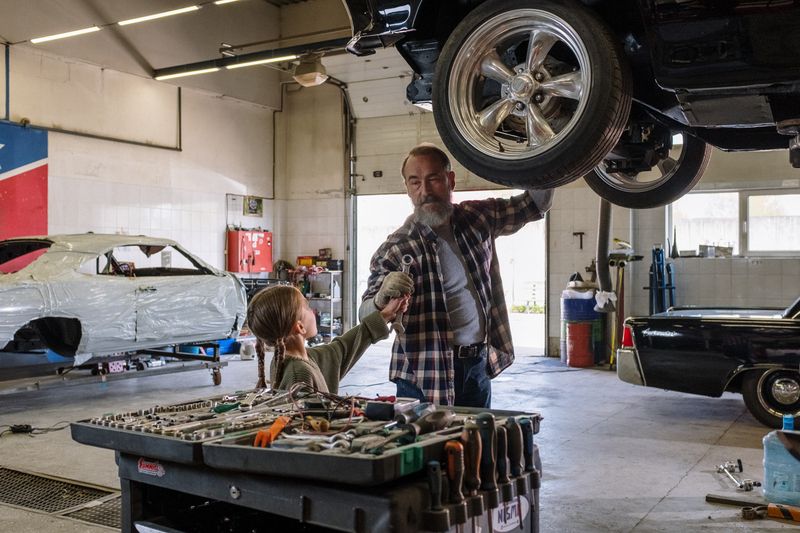
Buy-sell agreements and ownership transfer plans for your company.

Regular reviews and trust upkeep so your plan keeps working.
Jourdanton families get focused, personal service from a firm that does probate and estate planning day in and day out.
Estate planning and probate are all we do. We have guided more than 150 families through Texas probate.
Amanda handles your case personally, from the first call to the final distribution. No rotating team.
Member of the State Bar of Texas Real Estate, Probate & Trust Law Section and the National Academy of Elder Law Attorneys.
We update your estate plan as your family, assets, and Texas laws change to keep your wishes protected.
Your case is filed and heard in the same county courthouse your family already knows, and we handle every appearance and deadline for you.
Once the estate closes, we help heirs build their own estate plans so the next transfer is easier.
Jourdanton isn’t the only place we work. Families in Pleasanton, Poteet, Lytle, and across San Antonio, Texas can get the same help protecting their property and planning for what’s ahead.

Estate planning and Atascosa County probate for ranches and family land.

Estate plans and probate for Poteet families, farms and homesteads.
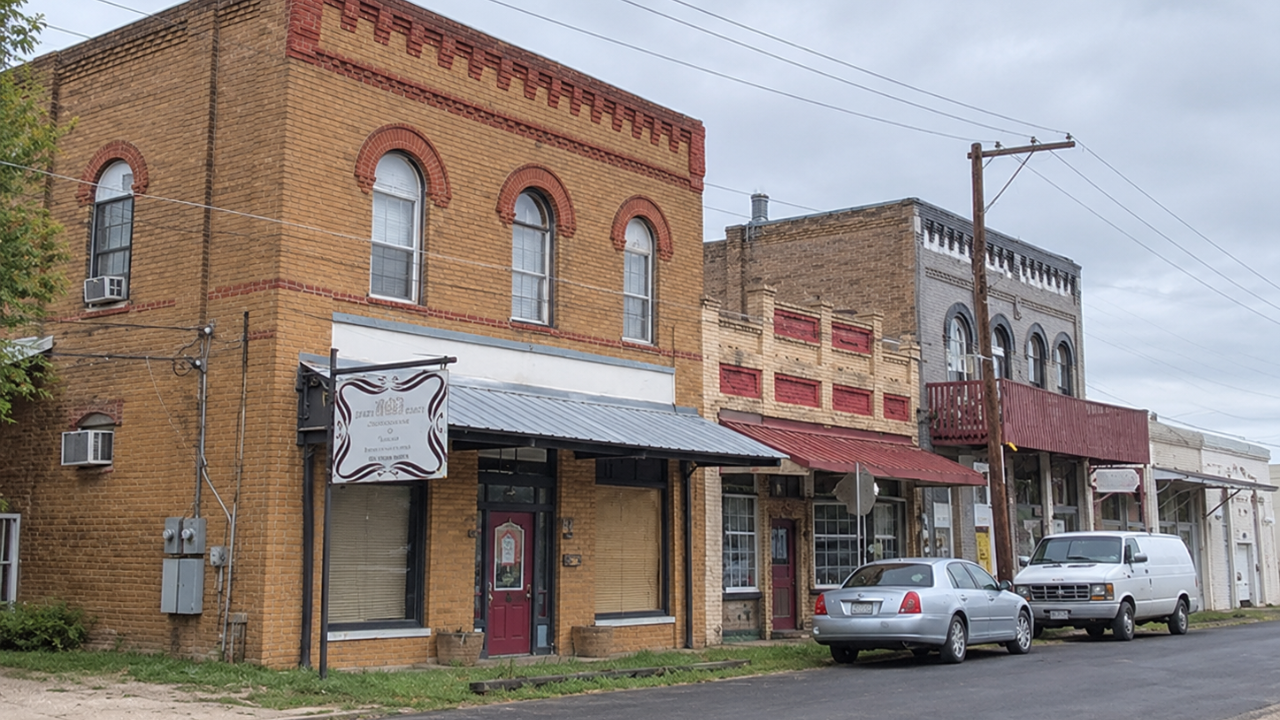
Estate plans and probate for Devine families, ranch owners and landholders.

Wills, trusts and probate for families whose property crosses county lines.


 Trustindex verifies that the original source of the review is Google.
 Trustindex verifies that the original source of the review is Google.
 Trustindex verifies that the original source of the review is Google.
 Trustindex verifies that the original source of the review is Google.
 Trustindex verifies that the original source of the review is Google.
 Trustindex verifies that the original source of the review is Google.
 Trustindex verifies that the original source of the review is Google.
 Trustindex verifies that the original source of the review is Google.
 Trustindex verifies that the original source of the review is Google.
Contact us to start a new estate plan or to keep an existing one up to date. We’ll walk Jourdanton families through each step and answer questions as they come up.
Yes. A revocable living trust can hold eligible ranch property and establish how it will be managed and distributed to beneficiaries. Properly transferring ownership into the trust can help avoid probate for those assets and provide clear instructions for future generations.
Business owners can coordinate estate planning with business succession strategies to prepare for retirement, incapacity, or unexpected death. Buy-sell agreements, ownership transfer arrangements, and succession documents can establish who manages the company and how ownership interests are transferred.
Yes. A properly structured special needs trust can provide financial support for a loved one with a disability while helping preserve eligibility for certain needs-based government benefits, including SSI and Medicaid. It can also establish how funds are managed for future care and expenses.
Dying intestate (without a will) means Texas’s intestacy statutes determine who inherits — and the result is often not what the family expected. For example, a surviving spouse does not automatically inherit everything if there are children from a prior relationship. The estate must still go through probate, and the court will appoint an administrator rather than an executor of your choosing.
Texas courts can sometimes accept a copy, but the law presumes a missing original was revoked if it was last in the person’s possession. Overcoming that takes extra proof and notice to the heirs, so it helps to bring in an attorney early.
When someone dies without a will and the estate is worth $75,000 or less, not counting the homestead and exempt property, the heirs may be able to use a court-approved affidavit instead of full probate.
Independent administration lets the executor pay debts, sell property, and distribute assets without asking the court’s permission for each step. Most Texas estates qualify, which usually means a faster, lower-cost probate for your family.
No. As executor you are responsible for notifying creditors and paying valid debts from estate assets — but you are not personally liable for debts that exceed the estate’s value. There are important notice requirements and creditor claim deadlines under the Texas Estates Code that must be followed carefully to protect the estate and its beneficiaries.